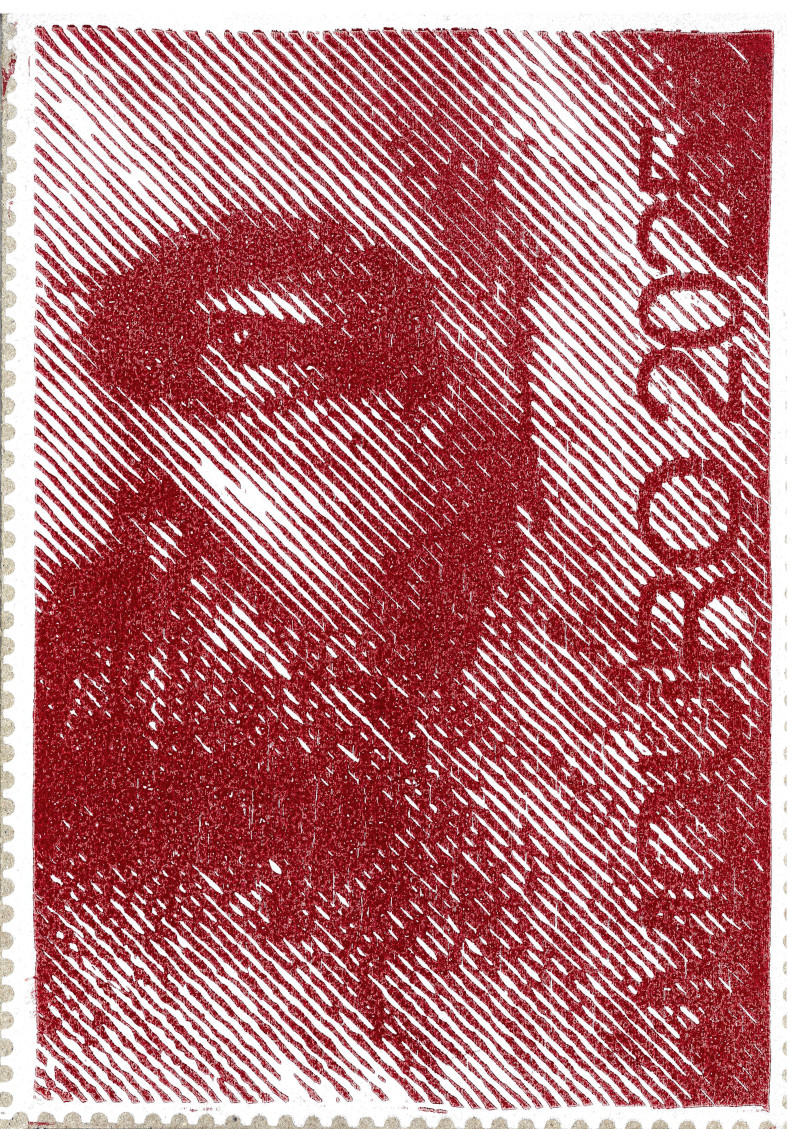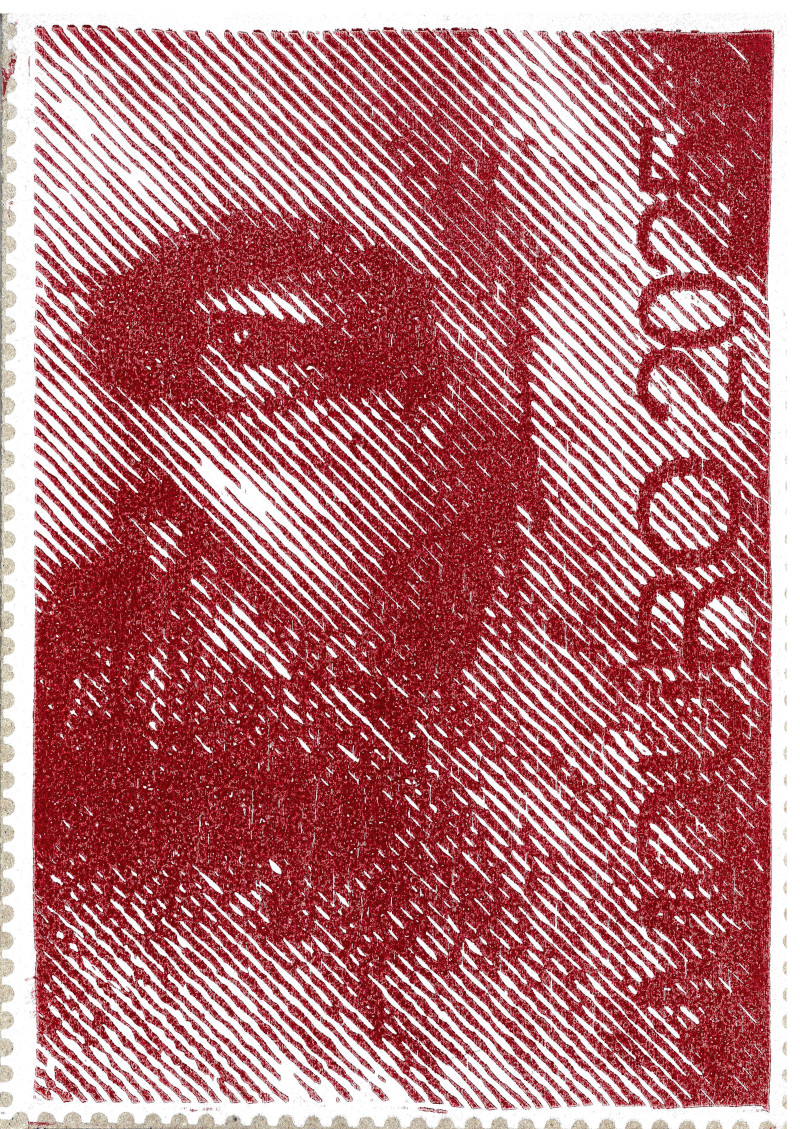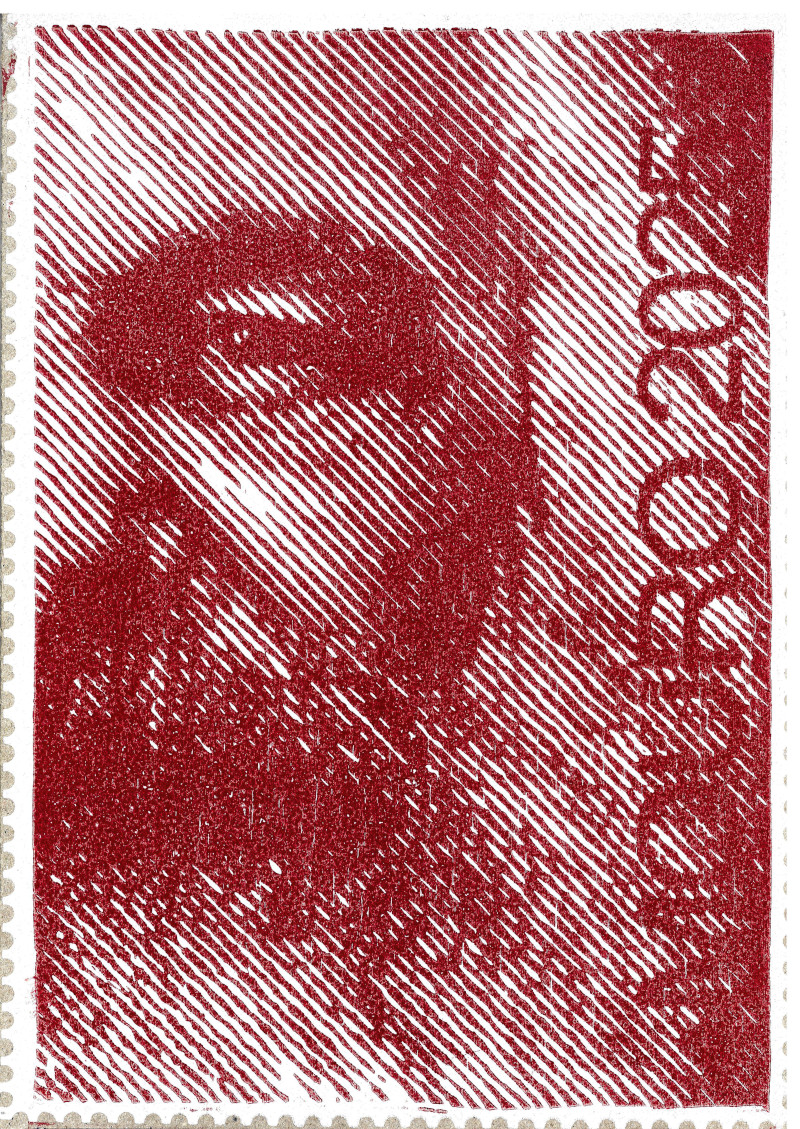
No. 16 (2026): Mouro: Revista Marxista, 13th year, issue 16, vol. 1

Mouro-Marxist Review presents a novelty in its 16th issue: a digital volume, released before the physical version, anticipating some of the articles that will compose the final version. In this way, we guarantee the dissemination of content that we consider relevant in advance, without waiting for the vicissitudes of paper publication.
This does not mean abandoning rigor with the published material or neglecting the physical version, quite the contrary. We intend to ensure intervention in the public debate by disseminating reflections that dialogue both with the (effervescent) conjuncture and with the structural issues of capitalist society and its critique from a Marxist perspective. On the other hand, we intend to improve the quality of the graphic material, since we do not give up on associating politics and art. Hence the gap between digital and paper publications. However, as preparation and printing require a different amount of time compared to digital dissemination, we decided to adopt the format that, accidentally and fleetingly, ended up being anticipated in the offprint that paid tribute to Florestan Fernandes in issue 15.
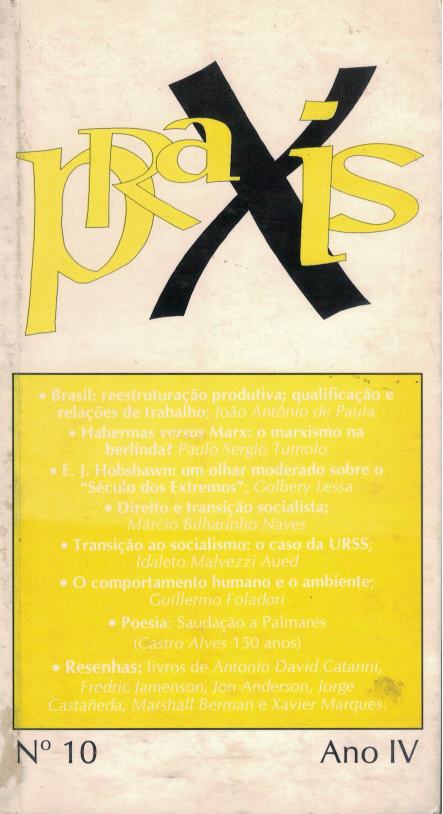
We therefore present to the public the first four articles of volume I of issue 16. In “A Memory of Praxis Magazine,” Lincoln Secco writes about his personal experience as a contributor to a magazine that sought, throughout the 1990s, to resist the anti-Marxist wave that followed the end of the Soviet Union, as well as to understand the challenges that the Marxist approach faced at that juncture. By combining his personal experience with an analysis of the period, Secco highlights the contributions of important figures of the Brazilian left who were featured in the magazine, such as Florestan Fernandes, Jacob Gorender, and Ronald Rocha. Frederico Duarte Bartz, in “Algumas Reflexões Acerca dos Lugares de Memória do Movimento Operário Paulistano” (Some Reflections on the Places of Memory of the São Paulo Workers’ Movement), discusses how the urbanization of São Paulo between the late 19th and early 20th centuries created spaces for workers’ sociability and mobilization that were gradually erased from the city’s memory. Luiz Eduardo Simões de Souza and Eliziane Gava, in “Criticism of the Gotha Program and the New Economic Policy (NEP): A Reflection on the Transition to Socialism,” analyze the Soviet NEP of 1925 in light of Marx's classic text from 1875, pointing to the challenges of the transition from a market economy to a socialist economy. Finally, Janes Jorge, in “The Militant Party: A Grassroots Meeting of the Workers' Party in the City of São Paulo in 2015,” recovers the history of a grassroots organizing experience of the PT at a time of political turmoil, whose consequences and challenges are still present today. At the event that gave rise to the article, it was possible to identify many ideas and sentiments present in the grassroots militancy of the period.
It should be noted that Lincoln Secco's article is part of a project by Mouro to recover the history of Práxis magazine through the digital republication of its content, with the invaluable collaboration of one of its editors, our comrade Néliton Azevedo. The PDF file of issue number 10 of Práxis is now available on our website, and our project is to make available all the issues that were hosted on the magazine's now-defunct website. It is a simple tribute to the group of comrades who contributed to this important political and intellectual undertaking.
We hope that this first volume of issue 16 will appeal to our readers, both old and new. And we invite you to look forward to the second volume, scheduled for early 2026.
Enjoy your reading!